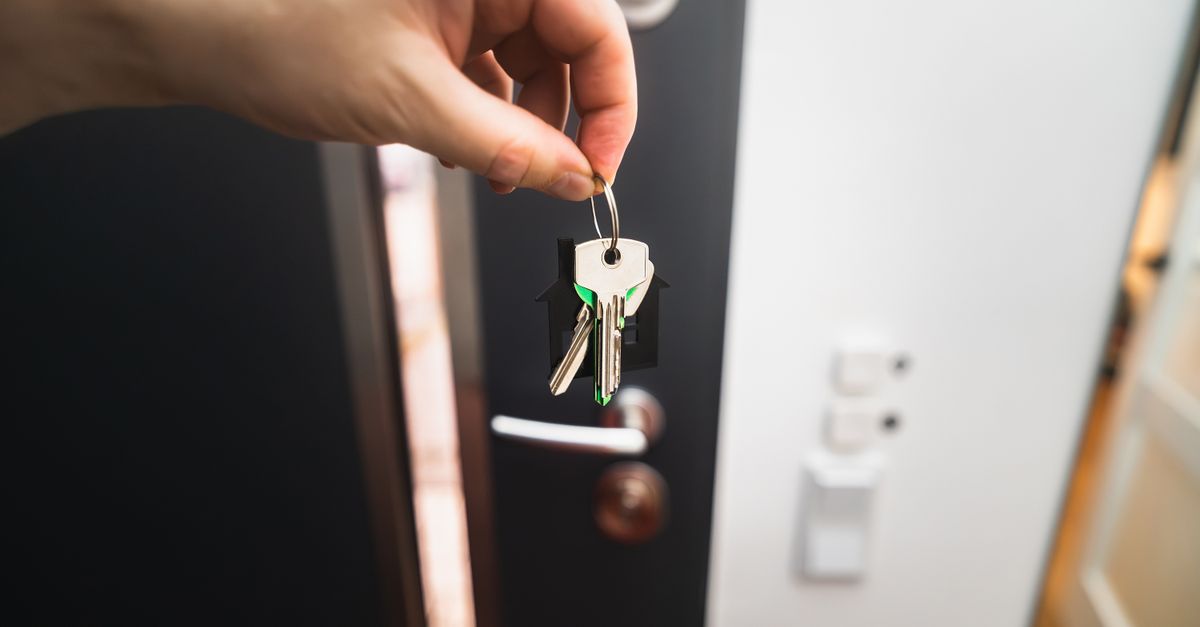
Why Keys Snap Inside Locks — and Why It Matters for Abbey Wood Homes
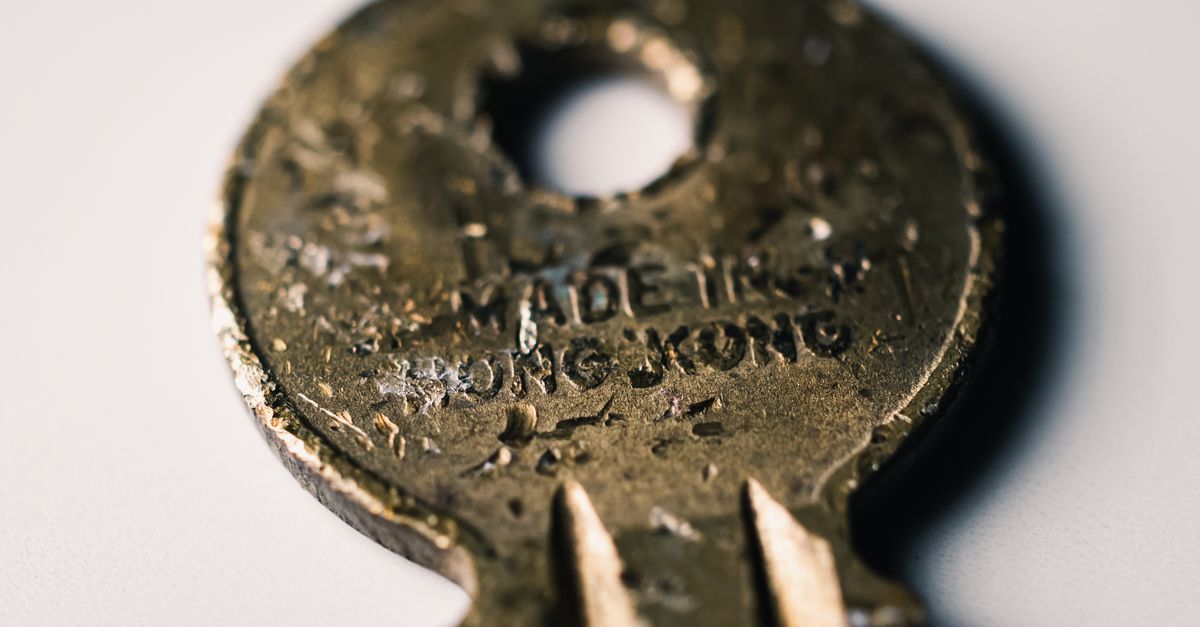
Key breakage is almost never random. The three most common causes are metal fatigue from a key that has been bent slightly out of shape over a long period, a lock mechanism that has become stiff or dry and requires far more turning force than it should, and poorly cut or worn keys that do not seat cleanly in the keyway. In Abbey Wood, where many properties near Lesnes Abbey Woods and along Nathan Way are older terraced houses with ageing mortice locks that may not have been serviced in years, stiff mechanisms are a particularly frequent cause. Cold weather compounds the problem: a lock that is merely tight in October can feel almost immovable by January, and a hurried turn is all it takes for the key to give way at its weakest point — usually just inside the keyway, right where you cannot grip it.
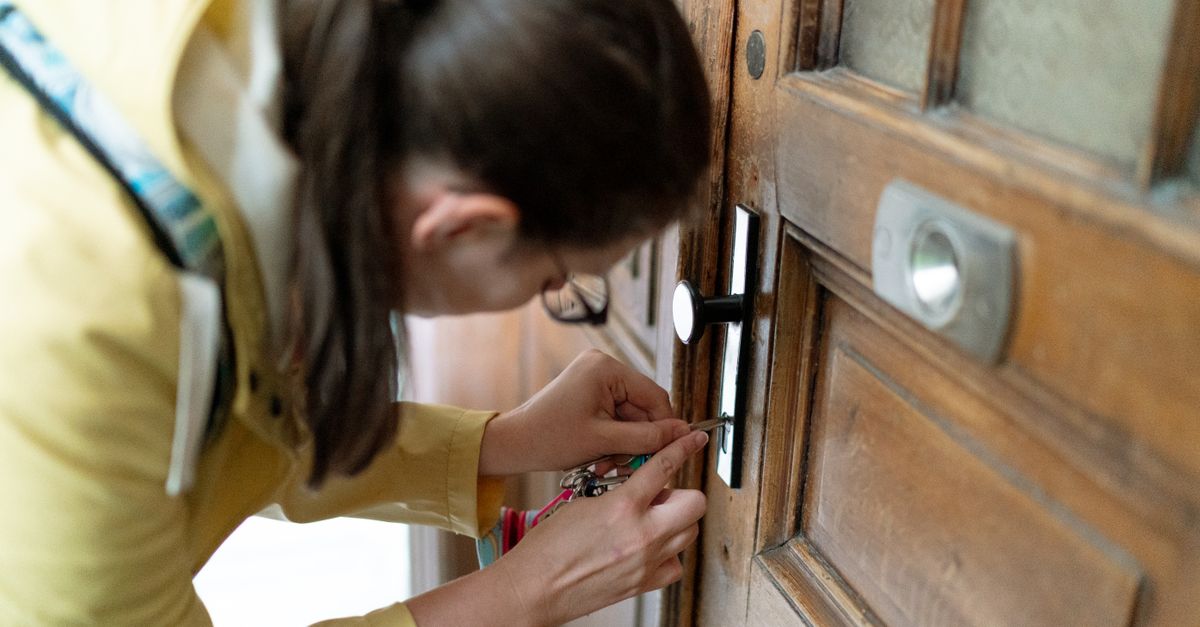
The reason prompt, professional extraction matters — rather than improvising with tweezers or a pen knife — is that amateur attempts almost always push the broken piece further into the mechanism or score the internal tumblers. If the lock is damaged during a DIY attempt, what could have been a straightforward extraction becomes a full lock replacement. On a 5-lever mortice deadlock that meets BS3621 (the standard most home insurers ask for), that is a significantly more involved job. Getting a skilled technician to attend quickly protects both the lock and your insurance position.